
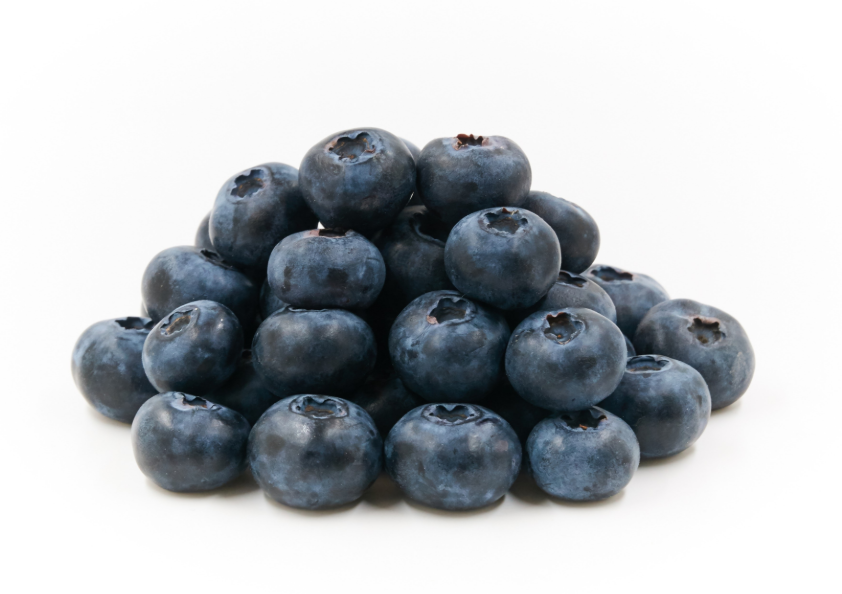
Blueberries are considered one of the most nutritious fruits in the world. Packed with antioxidants, vitamins, fiber, and minerals, they offer several science-backed health benefits. But like any food, they also come with a few possible side effects if eaten in excess.
In this guide, we’ll cover blueberry benefits, side effects, best ways to consume them, nutrition facts, and FAQs.
What Are Blueberries?
Blueberries are small, sweet, purple-blue berries native to North America. They belong to the Vaccinium family and are well known for their nutrient density and rich antioxidant profile—especially anthocyanins, which give them their signature color.
Top Health Benefits of Eating Blueberries
1. Rich in Antioxidants
Blueberries are one of the highest antioxidant-containing fruits. Antioxidants help protect your cells from oxidative stress caused by free radicals, supporting healthy aging and overall wellbeing.
2. May Support Heart Health
Blueberries contain fiber, potassium, and antioxidants that may help support healthy blood pressure levels and overall cardiovascular wellness when included as part of a balanced diet.
3. Good for Skin Health
The vitamins and antioxidants in blueberries may help support skin elasticity, reduce dullness, and promote a natural glow.
4. Supports Digestive Health
Blueberries are high in dietary fiber, which can support smooth digestion and promote a healthy gut.
5. Nutrient-Rich & Low in Calories
They provide a wide range of nutrients—especially vitamin C, vitamin K, and manganese—without adding many calories, making them great for weight-conscious diets.
6. May Support Brain Function
Some studies suggest that blueberries may support memory and cognitive function due to their antioxidant content.
7. Helps Hydrate the Body
Blueberries are about 85% water, contributing to hydration while delivering nutrients.
Possible Side Effects of Eating Blueberries
Blueberries are generally safe for most people, but here are a few possible concerns:
1. Digestive Discomfort if Overeaten
Consuming too many blueberries may cause bloating, gas, or diarrhea in some individuals due to their fiber content.
2. Allergic Reactions (Rare)
Some people may experience allergic reactions such as itching, swelling, or stomach upset. If symptoms appear, discontinue consumption and consult a healthcare provider.
3. Blood Sugar Considerations
Although blueberries have a relatively low glycemic index, people with blood sugar-related conditions should monitor portion sizes as part of their dietary plan.
4. Interaction with Blood-Thinning Medications
Blueberries contain vitamin K, which plays a role in blood clotting. People taking blood thinners should manage intake under medical guidance.
How to Consume Blueberries (Best Ways)
1. Eat Them Fresh
The simplest and healthiest way. Just wash and eat!
2. Add to Smoothies
Blend blueberries with yogurt, milk, or plant-based milk for a nutritious smoothie.
3. Mix Into Oatmeal or Cereal
Boost your breakfast with a handful of fresh or frozen blueberries.
4. Use in Salads
Blueberries add sweetness and color to fruit or green salads.
5. Bake with Them
Use blueberries in muffins, pancakes, or healthy baked goods.
6. Freeze for Snacks
Frozen blueberries make a refreshing, guilt-free snack.
7. Make Blueberry Tea or Infused Water
Add them to hot water or cold water to infuse natural flavor.
Blueberry Nutrition Facts (Per 1 Cup/148g)
(Approximate values)
- Calories: 84
- Carbohydrates: 21 g
- Fiber: 3.6 g
- Protein: 1.1 g
- Fat: 0.5 g
- Vitamin C: 24% of RDI
- Vitamin K: 36% of RDI
- Manganese: 25% of RDI
- Water: ~85%
How Many Blueberries Should You Eat Per Day?
A commonly recommended portion is ½ to 1 cup of blueberries per day as part of a balanced diet.
Who Should Be Cautious?
- Individuals with berry allergies
- People on blood-thinning medications
- Those managing blood sugar who need to monitor fruit intake
Always consult a healthcare professional for personalized dietary advice.
FAQs
1. Can you eat blueberries every day?
Yes! Most people can enjoy blueberries daily in moderate amounts as part of a balanced diet.
2. Are frozen blueberries healthy?
Absolutely. Frozen blueberries retain most of their nutrients and antioxidants.
3. Are blueberries good for weight loss?
They are low in calories and high in fiber, which can help with satiety.
4. Are blueberries safe during pregnancy?
In general, blueberries are safe when washed properly, but pregnant individuals should consult their healthcare provider regarding dietary changes.
Final Thoughts
Blueberries are a delicious, nutrient-dense fruit loaded with antioxidants and health-supporting properties. Whether eaten fresh, blended into smoothies, or added to meals, they are a versatile superfood. Just remember to enjoy them in moderation and be aware of any potential side effects.