Raisins may look simple, but these naturally sweet, nutrient-dense dried grapes have a long history, impressive health benefits, and countless culinary uses. Whether you’re a health-focused eater, a home cook, or a food blogger researching keywords, this complete raisin guide covers everything you need to know.
Table of Contents
- What Are Raisins?
- How Raisins Are Made
- Types of Raisins (With Flavor & Color Notes)
- Raisin Nutrition Facts
- Health Benefits of Raisins
- How to Use Raisins in Cooking & Baking
- Raisins vs Sultanas vs Currants
- How to Store Raisins
- Possible Side Effects
- How to Choose Quality Raisins
- Frequently Asked Questions
1. What Are Raisins?
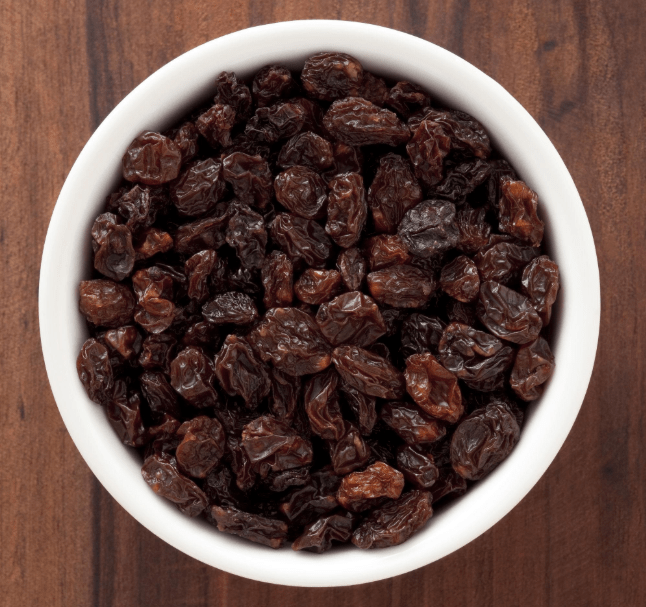
Raisins are dried grapes, typically produced from seedless grape varieties. They contain concentrated natural sugars, fiber, vitamins, minerals, and antioxidants—making them one of the healthiest natural sweeteners on the planet.
2. How Are Raisins Made?
Raisins are made by drying fresh grapes until they lose about 80% of their water content. There are three main drying methods:
1. Sun-Dried Raisins
Grapes are dried naturally under the sun for 2–3 weeks.
✔ Most flavorful
✔ No artificial additives
2. Shade-Dried (Air-Dried) Raisins
Dried in well-ventilated drying tunnels.
✔ Consistent texture
✔ Protected from pests and dust
3. Mechanically Dried Raisins
Commercial dehydration using controlled heat.
✔ Fastest process
✔ Most widely available
3. Types of Raisins
Different grape varieties and drying techniques create unique raisin types.
1. Natural Seedless Raisins
- Dark brown
- Classic sweet flavor
- Ideal for baking, cereals, and snacking
2. Golden Raisins (Sultanas)
- Bright golden color
- Dried with sulfur dioxide for color retention
- Softer, juicier, and sweeter
3. Black Raisins
- Made from black Corinth or Black Monukka grapes
- Rich flavor and intense sweetness
- Popular in Middle Eastern cuisine
4. Green Raisins
- Long, slightly chewy, jade-green
- Often used in Persian and Central Asian cooking
5. Red Raisins
- Made from red grapes
- Slightly tangy
- Great for savory dishes & salads
6. Currants
- Tiny, dark, seedless
- More tart than sweet
- Perfect for baking (scones, breads)
4. Raisin Nutrition Facts (Per 100g)
- Calories: ~299
- Carbohydrates: 79 g
- Sugar: 59 g (natural fruit sugars)
- Fiber: 3–4 g
- Potassium: 749 mg
- Iron: 10% DV
- Calcium: 5% DV
- Antioxidants: Polyphenols & flavonoids
Raisins are a nutrient-dense snack with more antioxidants than fresh grapes due to concentration.
5. Health Benefits of Raisins
1. Improve Digestion
High in soluble fiber → supports healthy digestion and prevents constipation.
2. Rich in Natural Energy
Carbohydrate-dense and full of natural sugars → excellent pre-workout snack.
3. Support Heart Health
Potassium helps lower blood pressure; antioxidants reduce inflammation.
4. Boost Iron Levels
Raisins are one of the best plant sources of iron → help prevent anemia.
5. Strengthen Bones
Contain boron, calcium, and magnesium → essential for bone health.
6. Good for Skin Health
Antioxidants combat free radicals → slow down aging and protect skin cells.
6. How to Use Raisins in Cooking & Baking
Breakfast
- Sprinkle on oatmeal
- Add to yogurt
- Mix into granola
Baking
- Cookies, cakes, and bread
- Cinnamon rolls
- Scones and muffins
Savory Dishes
- Moroccan couscous
- Persian pilaf (Shirin Polo)
- Chicken salad or grain bowls
Snacks
- Trail mixes
- Energy balls
- Smoothie add-ins
Pro tip: Soak raisins in warm water, rum, brandy, or tea for extra plumpness in baking.
7. Raisins vs Sultanas vs Currants
| Type | Color | Flavor | Best Use |
|---|---|---|---|
| Raisins | Dark brown | Sweet | Snacks, oatmeal |
| Sultanas (Golden Raisins) | Golden | Juicy & sweet | Baking |
| Currants | Very dark | Tart | Scones, bread |
8. How to Store Raisins
Proper storage extends freshness for months.
Short-Term
- Airtight container
- Room temperature
- Avoid humidity
Long-Term
- Refrigerate for up to 1 year
- Freeze for up to 2 years
- Keep away from direct sunlight
9. Possible Side Effects
Raisins are healthy, but moderation is important.
- High in natural sugar → excess may affect blood sugar
- Can cause bloating if overeaten
- Sticky texture → brush teeth after snacking to prevent cavities
10. How to Choose High-Quality Raisins
Look for:
- Uniform color
- Plump, soft texture
- No added sugar
- No artificial flavors
- “Sun-dried” or “naturally dried” labels
- Organic options if you want fewer pesticides
11. Frequently Asked Questions
Are raisins healthy?
Yes—high fiber, antioxidants, iron, and natural sugars make them a nutrient-rich snack.
Can diabetics eat raisins?
Yes, in moderation. Portion control is key.
How many raisins should I eat daily?
A handful (¼ cup or 30g) is a healthy serving.
Are raisins good before a workout?
Absolutely—natural sugars provide fast energy.
Final Thoughts
Raisins are one of the most versatile and nutritious dried fruits. Whether you snack on them, bake with them, or mix them into savory dishes, they offer a convenient boost of vitamins, minerals, and antioxidants.