
Peanuts: A Complete Nutrition and Health Guide
Peanuts are one of the most popular and nutritious legumes in the world. Not only are they affordable and versatile, but they also offer impressive health benefits. In this complete guide, you will discover everything about peanuts—from nutrition and benefits to uses and storage tips.
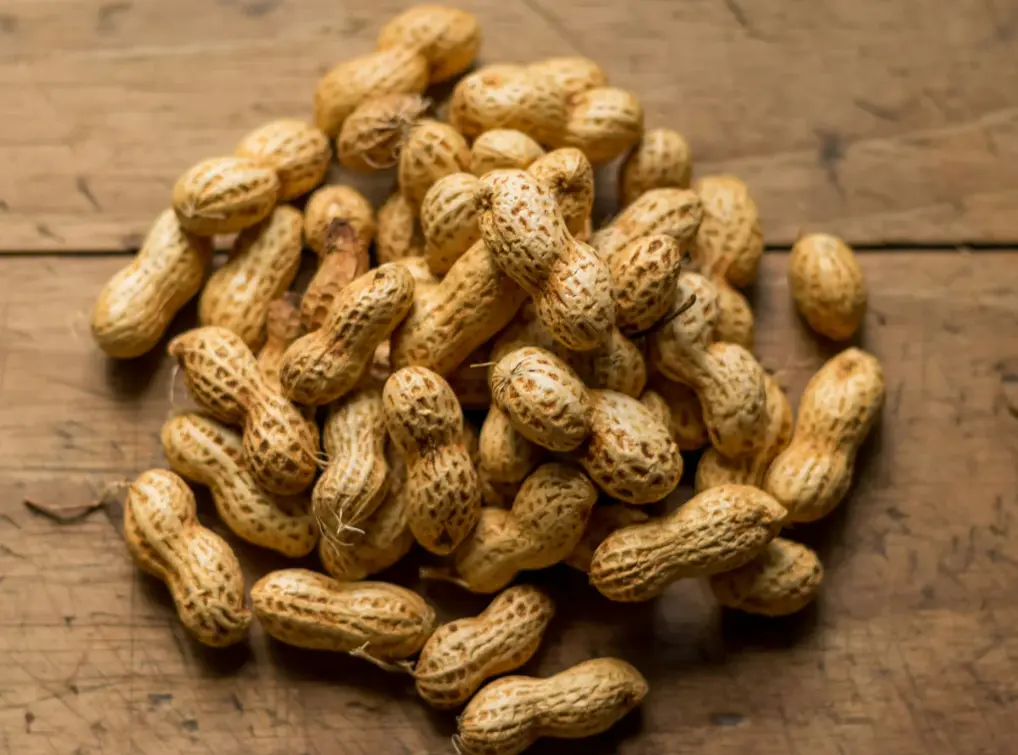
Fresh raw peanuts in shells rich in protein and healthy fats
Peanuts: A Complete Nutrition and Health Guide
🌱 What Are Peanuts?
Peanuts, scientifically known as Arachis hypogaea, are legumes that grow underground. Although many people think peanuts are nuts, they actually belong to the bean family. Interestingly, peanuts are cultivated widely due to their adaptability and high nutritional value.
Moreover, peanuts play a major role in global agriculture and food industries.
Peanuts: A Complete Nutrition and Health Guide
Peanut plant showing underground peanut growth
🧬 Nutritional Value of Peanuts
Peanuts are packed with essential nutrients. As a result, they are an excellent addition to a balanced diet.
Nutrition per 100g of Peanuts:
- Calories: 567 kcal
- Protein: 25.8 g
- Healthy Fats: 49.2 g
- Carbohydrates: 16.1 g
- Fiber: 8.5 g
- Vitamins: Vitamin E, B3 (Niacin), Folate
- Minerals: Magnesium, Phosphorus, Zinc, Potassium
- Peanuts: A Complete Nutrition and Health Guide
Therefore, peanuts provide long-lasting energy and support overall health.
❤️ Health Benefits of Peanuts
Peanuts offer multiple health benefits when consumed in moderation. Furthermore, they are suitable for people of all ages.
1. Good for Heart Health
Peanuts contain healthy monounsaturated fats. Consequently, they help reduce bad cholesterol and support heart health.
2. Rich Source of Protein
Because peanuts are high in plant-based protein, they are ideal for vegetarians and athletes.
3. Supports Brain Function
Thanks to niacin and vitamin E, peanuts improve brain health and memory.
4. Helps in Weight Management
Although peanuts are calorie-dense, their fiber and protein content promote fullness. As a result, they help control appetite.
Peanut butter with peanuts
Natural peanut butter made from roasted peanuts
🍽️ Common Uses of Peanuts
Peanuts are incredibly versatile. In fact, they are used in many forms worldwide.
- Peanut butter
- Roasted and salted snacks
- Peanut oil for cooking
- Sweets and desserts
- Sauces and chutneys
- Peanuts: A Complete Nutrition and Health Guide
Additionally, peanut oil is widely used due to its high smoke point.
🌍 Peanut Production and Farming
Peanuts are grown mainly in warm climates. Countries like China, India, Nigeria, and the USA are top producers. Moreover, peanuts improve soil fertility through nitrogen fixation, which benefits farmers.
🧊 How to Store Peanuts Properly
To maintain freshness and quality, proper storage is essential.
- Store raw peanuts in a cool, dry place
- Keep roasted peanuts in airtight containers
- Refrigerate peanut butter after opening
As a result, peanuts stay fresh longer and retain their nutritional value.
⚠️ Possible Side Effects of Peanuts
While peanuts are healthy, excessive consumption may cause issues.
- Peanut allergies (in some people)
- High calorie intake if overeaten
- Risk of aflatoxin in improperly stored peanuts
Therefore, moderation and proper storage are key.
✅ Conclusion
In conclusion, peanuts are a powerful, nutritious, and affordable food source. Not only do they provide essential nutrients, but they also support heart, brain, and overall health. Whether eaten raw, roasted, or as peanut butter, peanuts deserve a place in your daily diet.