
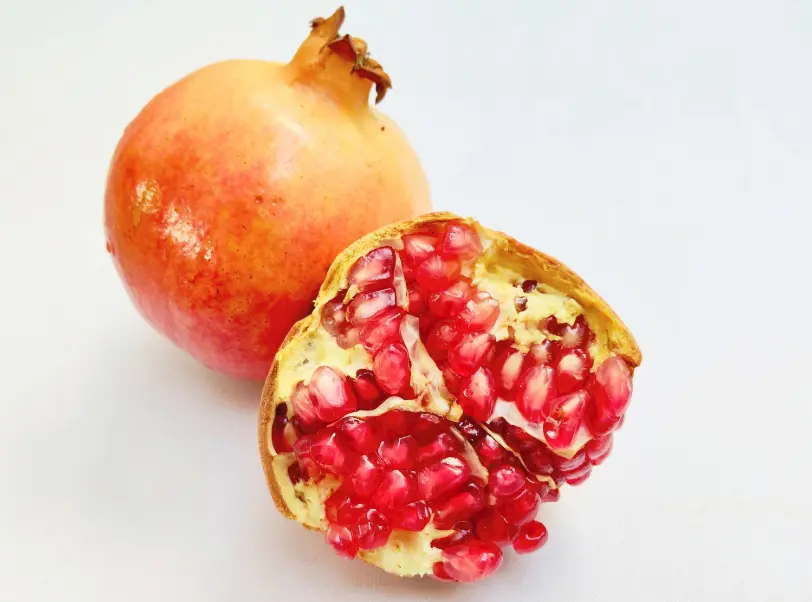
Pomegranate is one of the healthiest fruits in the world. It is known for its bright red color, juicy seeds, and refreshing taste. For thousands of years, people have eaten pomegranate for both food and health. Today, it is popular in many countries and cultures.
In this long guide, you will learn everything about pomegranate. This includes its history, nutrition, health benefits, uses, and tips for daily consumption.
Pomegranate is rich in antioxidants. As a result, it supports overall health.

What Is a Pomegranate?
A pomegranate is a round fruit with a thick skin. Inside the fruit, there are hundreds of small seeds. These seeds are called arils. Each aril is juicy and sweet with a light sour taste.
At first glance, a pomegranate may look hard to eat. However, once opened, it is easy to enjoy. The seeds can be eaten fresh or used in many recipes.
History and Origin of Pomegranate
Pomegranates have a long history. They first grew in the Middle East and South Asia. Later, they spread to the Mediterranean region.
Over time, pomegranates became a symbol of health and life. Many ancient cultures valued this fruit. Even today, pomegranate is used in traditional diets around the world.
Pomegranate is rich in antioxidants. As a result, it supports overall health.
Nutritional Value of Pomegranate
Pomegranate is full of important nutrients. At the same time, it is low in calories. Because of this, it fits well into a healthy lifestyle.
A pomegranate contains:
- Vitamin C
- Vitamin K
- Fiber
- Potassium
- Antioxidants
Most importantly, pomegranates are rich in natural plant compounds. These compounds help protect the body.
Pomegranate is rich in antioxidants. As a result, it supports overall health.
Health Benefits of Pomegranate
Pomegranate offers many health benefits. Below are the most important ones.
1. High in Antioxidants
First of all, pomegranate is rich in antioxidants. These help fight free radicals in the body. As a result, they support healthy cells.
Compared to many fruits, pomegranate has a high antioxidant level. Therefore, it is often called a superfruit.
2. Supports Heart Health
In addition, pomegranate may help support heart health. Studies suggest that it can improve blood flow. It may also help maintain healthy cholesterol levels.
Because of this, pomegranate juice is often recommended for heart-friendly diets.
3. Helps Boost Immunity
Pomegranates contain vitamin C and other nutrients. These help strengthen the immune system. As a result, the body can fight illness more easily.
During cold seasons, pomegranate can be a smart food choice.
4. Aids Digestion
Moreover, pomegranate seeds are a good source of fiber. Fiber helps digestion and keeps the stomach healthy.
When eaten regularly, pomegranate may support gut health.
5. Supports Skin Health
Pomegranate is also good for the skin. The antioxidants help protect skin cells. In addition, vitamin C supports natural skin repair.
For this reason, pomegranate is often used in skincare products.
Pomegranate is rich in antioxidants. As a result, it supports overall health.
How to Eat Pomegranate Easily
Many people think pomegranates are hard to eat. However, there are simple ways to enjoy them.
Here are some easy ideas:
- Eat the seeds fresh
- Add seeds to salads
- Mix them with yogurt
- Sprinkle them on cereal
- Blend them into smoothies
Additionally, you can drink fresh pomegranate juice.
Pomegranate is rich in antioxidants. As a result, it supports overall health.
Pomegranate Juice Benefits
Pomegranate juice is refreshing and healthy. It contains many of the same nutrients as the whole fruit.
However, it is best to choose fresh or unsweetened juice. This helps avoid extra sugar.
Drinking pomegranate juice in moderation can support heart and immune health.
Pomegranate in a Healthy Diet
Pomegranate fits well into many diets. It is suitable for:
- Balanced diets
- Plant-based diets
- Low-fat diets
Because it is natural and flavorful, it can replace sugary snacks.
How to Choose and Store Pomegranates
When buying a pomegranate, look for one that feels heavy. This usually means it is juicy. The skin should be firm and bright.
To store pomegranates:
- Keep whole fruit at room temperature for a few days
- Store in the fridge for longer freshness
- Keep seeds in an airtight container
- Pomegranate, in addition, supports heart health
Possible Side Effects
Pomegranate is safe for most people. However, eating too much may cause stomach discomfort for some.
Therefore, it is best to enjoy pomegranate in moderate amounts.
Final Thoughts on Pomegranate
In conclusion, pomegranate is a powerful and healthy fruit. It is rich in nutrients, easy to enjoy, and full of benefits. From heart health to digestion, pomegranate supports overall wellness.
Most importantly, it is delicious and natural.
So, whether you eat the seeds or drink the juice, adding pomegranate to your diet is a smart choice.
One response to “Pomegranate Benefits You Need to Know Today”
[…] Pomegranate Benefits You Need to Know Today- click here […]