
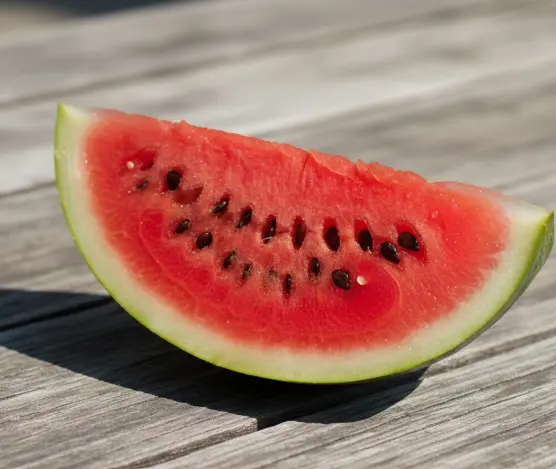
When the weather becomes warmer and your body naturally starts craving something cool, juicy, and refreshing, watermelon immediately comes to mind; however, many people still wonder, is watermelon good for you, or is it simply a sweet summer treat with little nutritional value? Fortunately, not only is watermelon incredibly refreshing, but it is also packed with essential nutrients, powerful antioxidants, and impressive hydration benefits that can support your overall health in multiple ways.

What Is Watermelon?
Watermelon is a large, sweet fruit scientifically known as Citrullus lanatus, and although it is commonly enjoyed as a dessert or snack, it is actually classified as both a fruit and a vegetable because it belongs to the Cucurbitaceae family, which also includes cucumbers and pumpkins. Moreover, since watermelon contains about 92% water, it stands out as one of the most hydrating fruits you can eat, especially during hot summer months when dehydration becomes more common.
Watermelon Nutrition Facts (Per 1 Cup – 152g)
Before diving into the health benefits, it is important to understand the nutritional value of watermelon; therefore, here is what one cup of fresh diced watermelon typically contains:
- Calories: 46
- Water Content: 92%
- Carbohydrates: 11.5g
- Natural Sugars: 9.4g
- Fiber: 0.6g
- Vitamin C: 12% of the Daily Value
- Vitamin A: 5% of the Daily Value
- Potassium: 4% of the Daily Value
- Magnesium: 4% of the Daily Value
Although watermelon is naturally sweet, it is relatively low in calories; therefore, it can easily fit into a balanced diet without significantly increasing your daily calorie intake.
1. Watermelon Keeps You Hydrated
First and foremost, because watermelon is made up of more than 90% water, it plays a significant role in keeping your body hydrated; consequently, it helps regulate body temperature, support digestion, and maintain healthy circulation. In addition, since proper hydration directly impacts energy levels and brain function, eating watermelon can help you feel more refreshed and alert throughout the day.
2. Rich in Powerful Antioxidants
Not only is watermelon hydrating, but it is also rich in antioxidants such as lycopene, beta-carotene, and vitamin C; as a result, it helps combat oxidative stress caused by free radicals. Lycopene, in particular, is the compound responsible for watermelon’s vibrant red color, and interestingly enough, it has been linked to improved heart health and reduced inflammation. Therefore, regularly including watermelon in your diet may contribute to long-term wellness.
3. Supports Heart Health
Furthermore, watermelon contains citrulline, an amino acid that may help improve blood flow and lower blood pressure levels; consequently, it can support cardiovascular health when consumed as part of a balanced lifestyle. Additionally, the presence of potassium helps regulate fluid balance and nerve signals, which further contributes to a healthy heart.
4. Low in Calories but Naturally Sweet
If you are trying to manage your weight yet still crave something sweet, watermelon can be an excellent option because it satisfies sugar cravings without delivering excessive calories; in fact, with only 46 calories per cup, it provides volume and sweetness while still being diet-friendly. Therefore, instead of reaching for processed desserts, choosing fresh watermelon can be a smarter and more nutritious alternative.
5. May Help Reduce Muscle Soreness
Interestingly, due to its natural citrulline content, watermelon may also support muscle recovery after exercise; as a result, some athletes consume watermelon juice to potentially reduce post-workout soreness. Although more research is still ongoing, early findings suggest that this refreshing fruit could play a small yet beneficial role in athletic recovery.
6. Promotes Healthy Skin
Because watermelon is rich in both vitamin C and vitamin A, it supports collagen production and skin repair; therefore, it may help maintain smoother, healthier-looking skin. Moreover, since hydration is essential for skin elasticity, the high water content in watermelon further enhances its beauty benefits.
Everything You Need to Know About Raspberries-Click here
Are There Any Downsides?
Although watermelon is generally safe and healthy for most people, it is still important to consume it in moderation, especially if you are monitoring your sugar intake; nevertheless, because the sugars in watermelon are naturally occurring and paired with water and nutrients, they are less concerning than added sugars found in processed foods.
Final Verdict: Is Watermelon Good for You?
All things considered, watermelon is not only good for you, but it is also an excellent addition to a balanced diet because it provides hydration, essential vitamins, antioxidants, and natural sweetness with very few calories. Therefore, whether you enjoy it fresh, blended into smoothies, or added to salads, watermelon offers both flavor and nutrition in every bite.
Ultimately, since it combines low calories, high water content, and valuable nutrients, watermelon truly stands out as one of the healthiest and most refreshing fruits you can enjoy—especially during warm seasons when your body needs hydration the most.
2 responses to “Is Watermelon Good for You? Benefits, Calories, and Nutritional Value”
[…] Is Watermelon Good for You? Benefits, Calories, and Nutritional Value-Click Here […]
[…] Is Watermelon Good for You?- Know More […]