
🍈 Cantaloupe: Benefits, Nutrition, and Why This Juicy Melon Deserves a Spot in Your Diet
Cantaloupe is one of the most refreshing and nutrient-packed fruits you can enjoy, especially during warm weather. With its sweet flavor, vibrant orange flesh, and high water content, cantaloupe is more than just a tasty treat — it’s a powerhouse of vitamins and health benefits.
In this SEO-optimized guide, you’ll learn everything about cantaloupe, including its nutrition facts, health benefits, uses, and why it should be part of your daily diet.
What Is Cantaloupe?
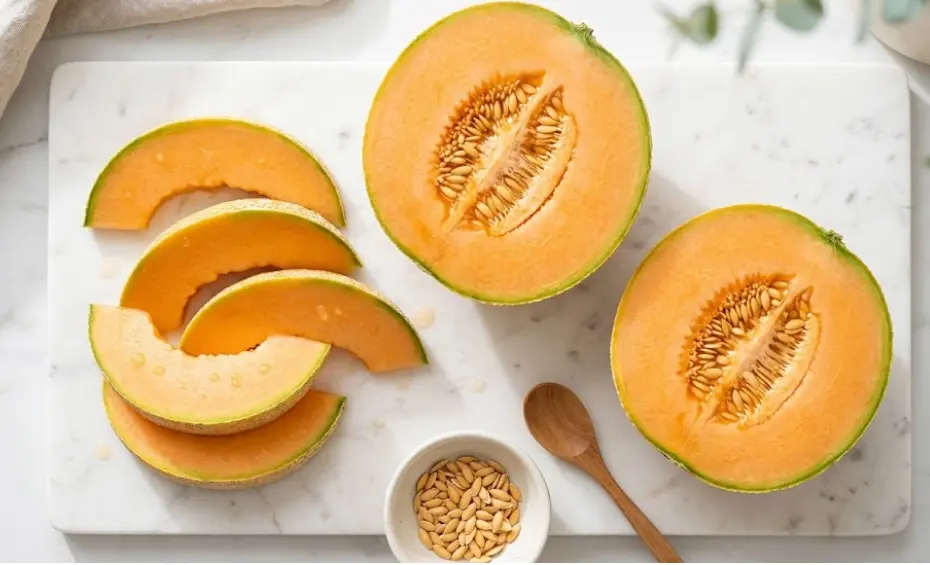
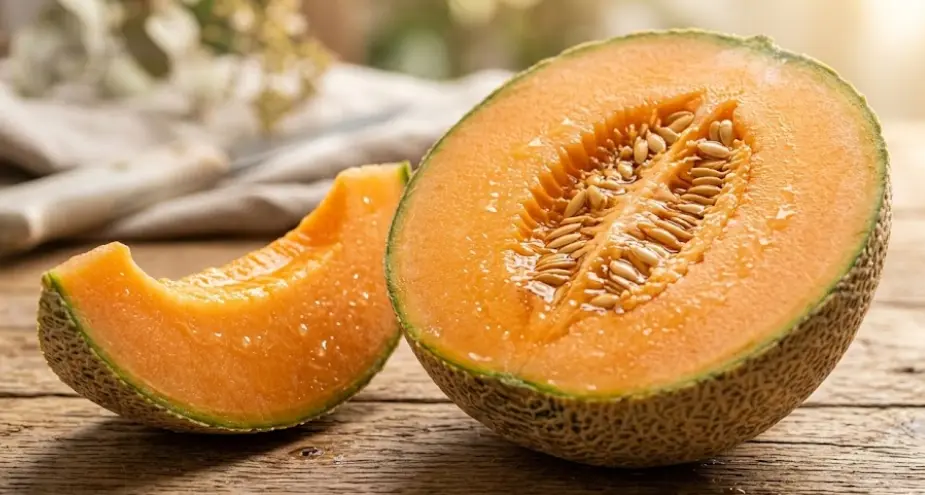
Cantaloupe is a type of muskmelon belonging to the species Cucumis melo. It is known for its netted rind and soft, orange interior. This fruit is widely grown in warm climates and is popular around the world for its refreshing taste and hydrating properties.
There are two main varieties:
- North American cantaloupe (netted rind)
- European cantaloupe (smooth rind)
Cantaloupe Nutrition Facts
Cantaloupe is low in calories but rich in essential nutrients. One cup (about 160 grams) of fresh cantaloupe contains:
- Calories: ~53
- Vitamin A: Over 100% of daily recommended intake
- Vitamin C: About 95% of daily value
- Potassium
- Fiber
- Folate
- Antioxidants (including beta-carotene)
Because it’s about 90% water, cantaloupe is excellent for hydration.
Top Health Benefits of Cantaloupe
1. Boosts Immunity
Cantaloupe is packed with vitamin C and vitamin A, both essential for a strong immune system. These nutrients help your body fight infections and maintain healthy skin and tissues.
2. Supports Eye Health
Thanks to its high beta-carotene content, cantaloupe supports vision and may help reduce the risk of age-related eye issues.
3. Promotes Heart Health
The potassium in cantaloupe helps regulate blood pressure levels, reducing the risk of heart disease and stroke.
4. Aids Digestion
Cantaloupe contains fiber and high water content, which help maintain healthy digestion and prevent constipation.
5. Great for Weight Loss
Low in calories and naturally sweet, cantaloupe is a perfect snack for those trying to lose weight while satisfying sugar cravings in a healthy way.
Is Cantaloupe Good for Skin?
Yes! Cantaloupe is rich in antioxidants and vitamin C, which help promote collagen production and protect the skin from damage caused by free radicals. Regular consumption may help improve skin glow and elasticity.
How to Eat Cantaloupe
Cantaloupe is incredibly versatile. You can enjoy it:
- Fresh and sliced
- In fruit salads
- Blended into smoothies
- Wrapped with prosciutto
- Added to yogurt or oatmeal
- Frozen as a healthy dessert
For best flavor, choose a ripe cantaloupe that feels heavy for its size and has a sweet aroma at the stem end.
How to Store Cantaloupe
- Store whole cantaloupe at room temperature until ripe.
- Once cut, refrigerate in an airtight container.
- Consume within 3–4 days for optimal freshness.
Final Thoughts: Why You Should Add Cantaloupe to Your Diet
Cantaloupe is not only delicious but also packed with essential vitamins, antioxidants, and hydration benefits. Whether you’re looking to boost immunity, improve digestion, or enjoy a low-calorie snack, this sweet melon is a smart and refreshing choice.
Add cantaloupe to your grocery list today and enjoy the natural sweetness and powerful health benefits it brings! 🍈