
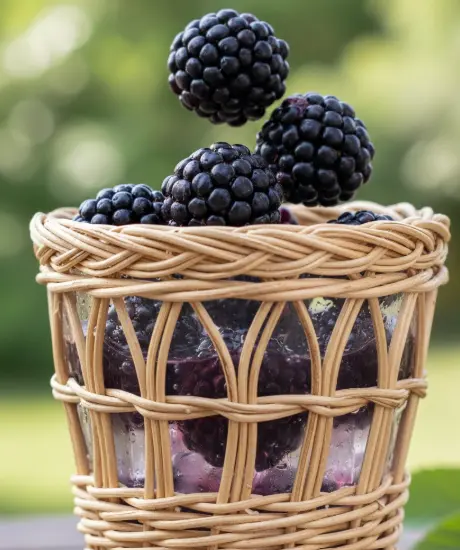
Introduction to Black Berry
Black berry is a flavorful, nutrient-rich fruit known for its deep purple-black color, juicy texture, and sweet-tart taste. Scientifically referred to as Rubus fruticosus, black berry belongs to the rose family and grows on thorny shrubs in many temperate regions around the world. For centuries, it has been valued not only as a delicious food but also for its medicinal properties. Today, black berry remains popular in kitchens, health-conscious diets, and even natural skincare routines due to its impressive nutritional composition and wide range of benefits.
Black berry is not only delicious, but it is also packed with essential nutrients.
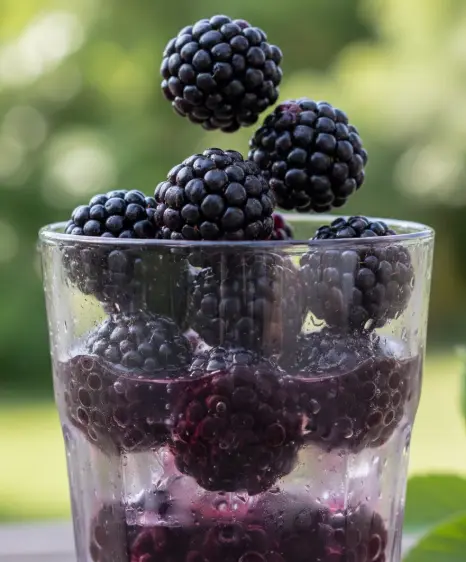
Nutritional Value of Black Berry
Black berry is low in calories yet packed with essential nutrients that support overall health. It contains high levels of vitamin C, vitamin K, manganese, and dietary fiber. These nutrients play important roles in immune support, bone health, wound healing, and metabolic function.
Key Vitamins and Minerals
One serving of black berry provides a substantial amount of vitamin C, which helps strengthen the immune system and supports collagen production for healthy skin. Vitamin K contributes to proper blood clotting and bone strength, while manganese assists in energy metabolism and antioxidant defense. The fruit also contains small amounts of folate, magnesium, and potassium, all of which contribute to heart and muscle function.
Fiber Content and Digestive Support
Black berry is especially rich in dietary fiber, making it beneficial for digestive health. Fiber helps regulate bowel movements, supports beneficial gut bacteria, and promotes a feeling of fullness that may assist with weight management. A fiber-rich diet is associated with lower cholesterol levels and better blood sugar control, making black berry an excellent addition to balanced meals.
Health Benefits of Black Berry
The combination of antioxidants, vitamins, and fiber gives black berry its powerful health-supporting properties. Regular consumption may contribute to improved heart health, stronger immunity, and reduced inflammation.
Antioxidant Power
The dark color of black berry comes from anthocyanins, which are potent antioxidants. These compounds help neutralize harmful free radicals in the body, reducing oxidative stress and inflammation. Diets rich in antioxidant-containing fruits like black berry are often linked to a lower risk of chronic diseases and healthier aging.
Heart Health Support
Black berry supports cardiovascular health in multiple ways. The fiber content helps lower LDL (bad) cholesterol levels, while antioxidants improve blood vessel function. Consuming black berry as part of a diet rich in fruits and vegetables may help maintain healthy blood pressure and circulation over time.
Immune System Boost
Vitamin C plays a central role in immune defense. Black berry helps the body produce white blood cells and supports the skin’s natural barrier against infections. Regular intake may help reduce the duration and severity of common illnesses.
Black Berry and Skin Health
Healthy skin depends on adequate nutrient intake, and black berry provides several compounds that benefit skin appearance and resilience. Vitamin C stimulates collagen production, helping maintain firmness and elasticity. Antioxidants protect skin cells from environmental damage caused by pollution and sun exposure. Some people also use mashed black berry in DIY face masks, although consuming the fruit regularly offers the most consistent long-term benefits.
Culinary Uses of Black Berry
Black berry is incredibly versatile and can be incorporated into a wide variety of dishes.
Fresh Consumption
Fresh black berry can be enjoyed on its own as a snack or added to oatmeal, yogurt, cereal, and fruit salads. Its natural sweetness makes it a satisfying and healthy dessert alternative.
Baking and Desserts
Black berry is commonly used in pies, cobblers, muffins, and tarts. Its balance of sweetness and acidity enhances baked goods while adding vibrant color and moisture.
Jams, Sauces, and Smoothies
Black berry can be blended into smoothies for a nutrient boost or cooked into jams and sauces. Savory black berry sauces pair well with meats, while sweet versions complement pancakes and desserts. The fruit can also be frozen without losing significant nutritional value, allowing year-round use.
How to Select and Store Black Berry
When buying fresh black berry, look for berries that are deep in color, plump, and firm. Avoid containers with mold, leaking juice, or crushed fruit. Because black berry is delicate and perishable, it should be refrigerated and consumed within a few days. Wash the berries just before eating to prevent excess moisture from speeding up spoilage. Freezing is an excellent way to extend shelf life while preserving flavor and nutrients.
Potential Side Effects and Considerations
Black berry is safe for most people when consumed in moderation. However, individuals with berry allergies should exercise caution. Since black berry contains vitamin K, those taking blood-thinning medications should maintain consistent intake levels and consult a healthcare professional if necessary. As with any food, balance and variety are key to optimal nutrition.
Conclusion
Black berry is more than just a tasty fruit; it is a nutritional powerhouse filled with vitamins, minerals, fiber, and antioxidants. From supporting heart health and digestion to enhancing skin vitality and immune strength, black berry offers numerous benefits in every serving. Its versatility in cooking and ease of storage make it simple to include in daily meals. By adding black berry to your diet, you can enjoy both its delicious flavor and its many health advantages.
Star Fruit (Carambola)- Click Here