
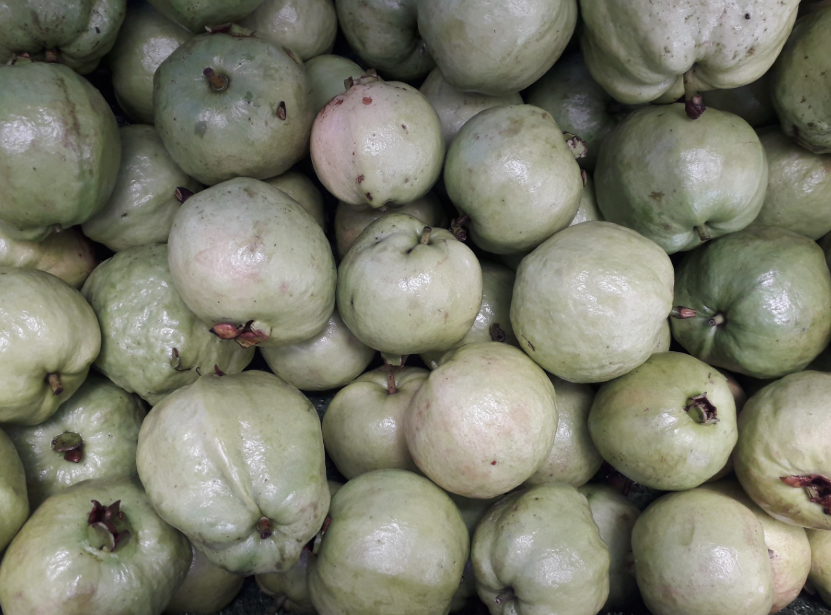
Guava Benefits And Side Effects
Guava is a delicious tropical fruit packed with nutrients, antioxidants and powerful health-boosting properties. Whether you enjoy it fresh, as juice, or in smoothies, guava can be a great addition to your daily diet. In this article, we’ll cover top guava benefits, possible side effects, how to consume it properly, and the best time to eat guava for maximum results.
What Is Guava?
Guava (Psidium guajava) is a tropical fruit known for its sweet flavor, crunchy seeds, and rich nutritional profile. It is an excellent source of vitamin C, fiber, antioxidants, potassium, and folate.
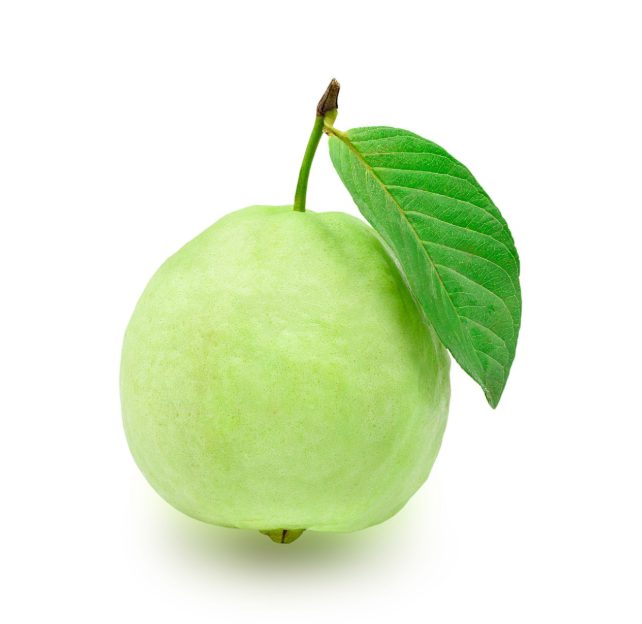
⭐ Top Health Benefits of Guava
1. Boosts Immunity
Guava contains 4x more vitamin C than oranges, helping strengthen your immune system and protect against infections, colds, and flu.
2. Improves Digestion
Thanks to its high dietary fiber, guava helps prevent constipation, improves bowel movement, and supports overall gut health.
3. Good for Weight Loss
Low in calories and high in fiber, guava keeps you full for longer, reduces cravings, and supports weight-loss goals.
4. Regulates Blood Sugar Levels
Guava has a low glycemic index and fiber content that helps stabilize blood sugar, making it beneficial for people with diabetes.
5. Supports Heart Health
Guava is rich in potassium and antioxidants, which help regulate blood pressure, reduce bad cholesterol (LDL), and support a healthy heart.
6. Promotes Healthy Skin
Vitamin C and antioxidants help:
- Reduce aging signs
- Brighten skin
- Promote collagen production
- Improve skin texture
7. Good for Eyesight
Guava contains vitamin A, which is essential for eye health and may help prevent age-related vision problems.
⚠️ Side Effects of Guava
Guava is generally safe, but some people may experience mild side effects:
1. Digestive Upset
Eating too much guava, especially with seeds, may cause:
- Gas
- Bloating
- Stomach cramps
2. Constipation (if eaten in excess)
Too much fiber can lead to constipation in some individuals.
3. Allergic Reaction (rare)
People sensitive to certain fruits may experience itching or swelling around the mouth.
4. High Sugar Content in Ripe Guava
Diabetics should consume fully ripe guava in moderation to avoid blood sugar spikes.
🍽️ How to Consume Guava (Best Ways)
You can eat guava in several healthy ways:
✔️ 1. Fresh and Raw
Wash and eat it with or without skin. It’s the simplest and healthiest way.
✔️ 2. Guava Juice
Freshly blended juice boosts hydration and immunity.
✔️ 3. Smoothies
Combine guava with yogurt or milk for a nutrient-rich smoothie.
✔️ 4. Guava Salad
Mix with lemon, mint, and a pinch of salt for a refreshing snack.
✔️ 5. Guava Leaves Tea
Guava leaf tea supports digestion, weight loss, and blood sugar control.
🕒 Best Time to Eat Guava
⭐ Morning (Best Time)
Eating guava in the morning boosts digestion, metabolism, and immunity for the day.
⭐ Before Workout
Guava gives a natural energy boost without adding many calories.
✔️ Between Meals
Helps control hunger and stabilizes blood sugar.
❌ Avoid Eating Guava at Night
It may cause bloating or stomach discomfort in some people due to high fiber.
Conclusion
Guava is a powerful, nutrient-dense fruit that supports immunity, digestion, weight loss, skin health, and heart health. Eat it fresh in the morning or between meals to enjoy maximum benefits. Just consume in moderation to avoid digestive discomfort.