
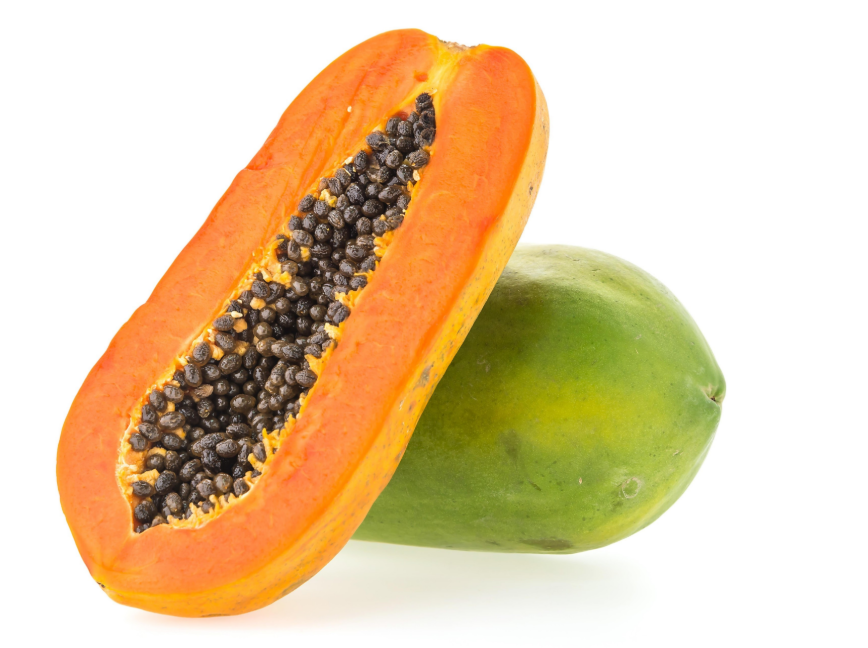
Papaya is one of the most nutritious and widely loved tropical fruits. Known for its vibrant orange color and sweet taste, papaya is packed with enzymes, antioxidants, and vitamins that support overall health. In this guide, we break down the health benefits of papaya, possible side effects, how to use it, and the best time to eat papaya for maximum benefits.
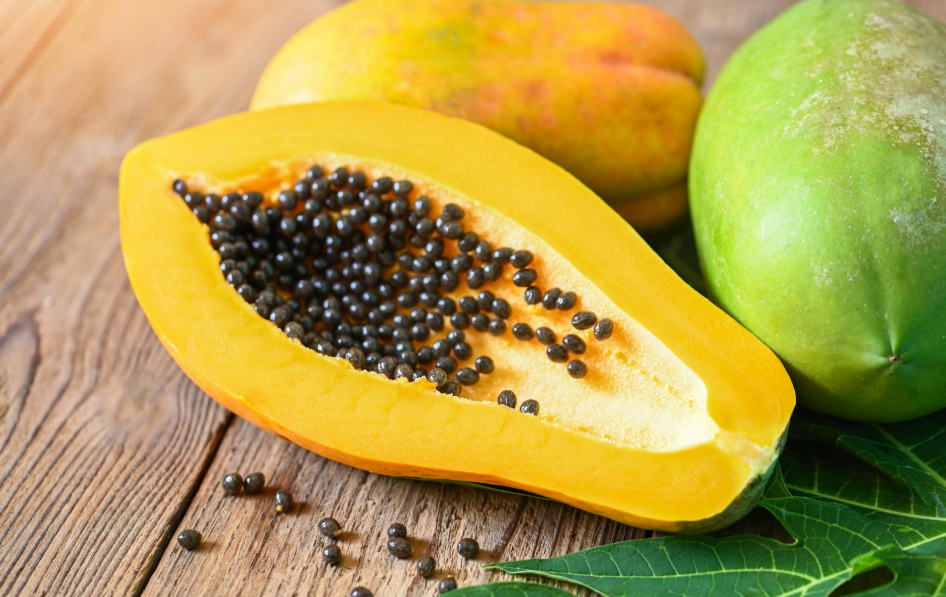
⭐ Papaya Nutritional Profile
Papaya is low in calories and high in essential nutrients:
- Rich in Vitamin C, Vitamin A & Vitamin E
- Contains folate, potassium, magnesium
- Loaded with antioxidants
- Contains papain, a digestive enzyme
🍃 Top Health Benefits of Papaya
1. Supports Healthy Digestion
Papaya contains papain, an enzyme that helps break down proteins and improves digestion. It also prevents bloating, constipation, and indigestion.
2. Boosts Immunity
With extremely high levels of vitamin C, papaya helps strengthen immunity and protects the body from infections and seasonal illnesses.
3. Promotes Healthy Skin
Papaya is rich in antioxidants and vitamin A, which help reduce acne, slow skin aging, and improve overall skin texture. Many skincare products use papaya extract for natural exfoliation.
4. Good for Eye Health
The presence of beta-carotene and vitamin A supports good vision and helps prevent age-related eye disorders.
5. Helps in Weight Loss
Low in calories and high in fiber, papaya keeps you full for longer and supports healthy weight management.
6. Improves Heart Health
Papaya’s antioxidants, potassium, and fiber reduce cholesterol levels and support cardiovascular health.
7. Anti-Inflammatory Properties
Papaya contains enzymes and antioxidants that help reduce inflammation, making it helpful for people with arthritis or joint pain.
8. Supports Gut Health
Papaya acts as a natural prebiotic, promoting the growth of healthy gut bacteria.
⚠️ Possible Side Effects of Papaya
Although papaya is generally safe, some people should avoid it or consume it with caution:
1. Allergic Reactions
Some individuals may be allergic to papaya or latex. Symptoms include itching, swelling, rashes, or breathing difficulties.
2. Avoid Unripe Papaya During Pregnancy
Unripe or semi-ripe papaya contains latex, which may cause uterine contractions. Pregnant women should avoid unripe papaya.
3. Excess Consumption May Cause Stomach Issues
Eating too much papaya can lead to digestive issues like diarrhea due to its high fiber content.
4. Blood Sugar Drops
Papaya has a low glycemic index, but excessive consumption may lower blood sugar levels. Diabetic patients should monitor intake.
🍽️ Top Uses of Papaya
1. As a Fresh Fruit Snack
Cut into cubes and enjoy it fresh for a nutritious snack.
2. In Smoothies & Juices
Papaya blends well with milk, yogurt, banana, and other fruits.
3. In Salads
Combine papaya with cucumber, lime, or mint for a refreshing tropical salad.
4. For Skin Care
Mashed papaya is used in face masks for exfoliation, glow, and acne control.
5. As a Meat Tenderizer
Papain in papaya softens meat, making it a natural tenderizer.
🕒 Best Time to Eat Papaya
✔ Morning (Best Time)
Eating papaya on an empty stomach in the morning improves digestion, cleans the stomach, and boosts metabolism.
✔ After Meals
Papaya helps break down food and supports digestion, making it ideal after lunch or dinner.
❌ Avoid Eating at Night
Some people may experience bloating or digestive discomfort when eating papaya late at night.
📝 Conclusion
Papaya is a powerful superfruit with numerous health benefits—from improved digestion and glowing skin to enhanced immunity and heart health. When eaten at the right time and in the right amount, it can significantly contribute to overall well-being. Just be mindful of possible side effects and avoid unripe papaya if you are pregnant.