
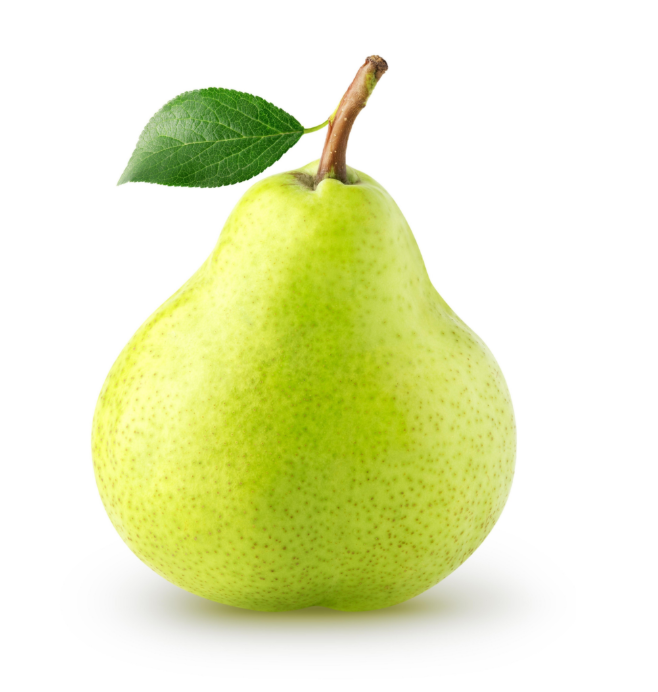
Pears are one of the most nutrient-dense and refreshing fruits you can add to your daily diet. Packed with fiber, antioxidants, vitamins, and natural sweetness, they offer a wide range of health benefits for digestion, weight management, skin health, and immunity. But like every food, pears may also have certain side effects when consumed excessively.
In this comprehensive guide, we’ll explore pear eating benefits, side effects, nutrition facts, best time to eat, and more.
⭐ Top Health Benefits of Eating Pears
1. Supports Healthy Digestion
Pears are one of the best natural sources of dietary fiber, especially soluble and insoluble fiber.
- Helps prevent constipation
- Improves bowel movement regularity
- Nourishes gut-friendly bacteria
Just one medium pear provides around 6 grams of fiber — nearly 20% of your daily needs.
2. Boosts Immunity
Pears contain essential antioxidants like:
- Vitamin C
- Copper
- Flavonoids
These help protect your body from infections and support a strong immune system.
3. Excellent for Weight Loss
Pears are:
- Low in calories
- High in water
- High in fiber
This combination keeps you full longer, reduces cravings, and supports healthy weight management.
4. Good for Heart Health
Fiber in pears helps:
- Lower LDL (bad cholesterol)
- Reduce inflammation
- Improve blood circulation
Pears also contain potassium, which supports healthy blood pressure.
5. Keeps Skin Glowing
Antioxidants and vitamin C help:
- Fight oxidative stress
- Promote collagen production
- Improve skin texture and elasticity
Eating pears regularly may help reduce acne and dullness.
6. Helps Manage Diabetes
Pears have a low glycemic index, meaning they release sugar slowly.
They are also rich in anthocyanins, which may improve insulin sensitivity.
This makes pears a great fruit option for diabetics (in moderation).
7. Supports Bone Health
Pears contain:
- Vitamin K
- Boron
- Calcium (in smaller amounts)
These nutrients play an important role in maintaining bone strength and preventing osteoporosis.
🍐 Nutritional Value of Pears (Per 100g)
- Calories: 57 kcal
- Fiber: 3.1 g
- Carbohydrates: 15 g
- Vitamin C: 7% of RDI
- Potassium: 116 mg
- Antioxidants: Quercetin, kaempferol, anthocyanins
⚠️ Side Effects of Eating Pears
While pears are healthy, overconsumption may cause:
1. Stomach Discomfort
Due to high fiber content, eating too many pears may lead to:
- Bloating
- Gas
- Diarrhea
Especially in people with sensitive digestion or IBS.
2. High Sugar Intake
Pears contain natural sugars.
Excessive intake may cause:
- Blood sugar spikes (if eaten in large amounts)
- Weight gain
Moderation is key.
3. Allergic Reactions (Rare)
Some people may experience:
- Itching in the mouth
- Swelling
- Hives
This is more common in those allergic to birch pollen.
4. Not Suitable for Low-FODMAP Diet
Pears are high in fructose, making them unsuitable for people following a low-FODMAP diet for digestive issues.
🕒 Best Time to Eat Pears
- Morning: Boosts digestion and energy
- Before meals: Helps control appetite
- Post-workout: Provides hydration and natural sugars
Avoid eating them late at night if you have digestive sensitivity.
🍽️ How to Add Pears to Your Daily Diet
- Eat fresh as a snack
- Add to fruit salads
- Blend into smoothies
- Use in oatmeal or yogurt bowls
- Bake into desserts
- Add slices to sandwiches or salads
🧴 Pear Benefits for Skin & Hair
- Hydrates skin naturally
- Reduces oiliness
- Enhances hair shine
- Prevents dryness
- Provides anti-aging benefits